









Viking Age · Traditional Knowledge · Health
Wild Berries and Seaweed: How the Vikings Conquered Scurvy
When the great European navigators of the 16th, 17th, and 18th centuries ventured across the world’s oceans, one enemy was feared more than violent gales, shipwrecks, and hostile naval squadrons combined: scurvy.
Between 1500 and 1800, historians estimate that over two million European sailors suffered an agonizing death from this mysterious deficiency disease. Entire crews were decimated, leaving merchantmen and warships drifting as masterless ghost ships across the sea.
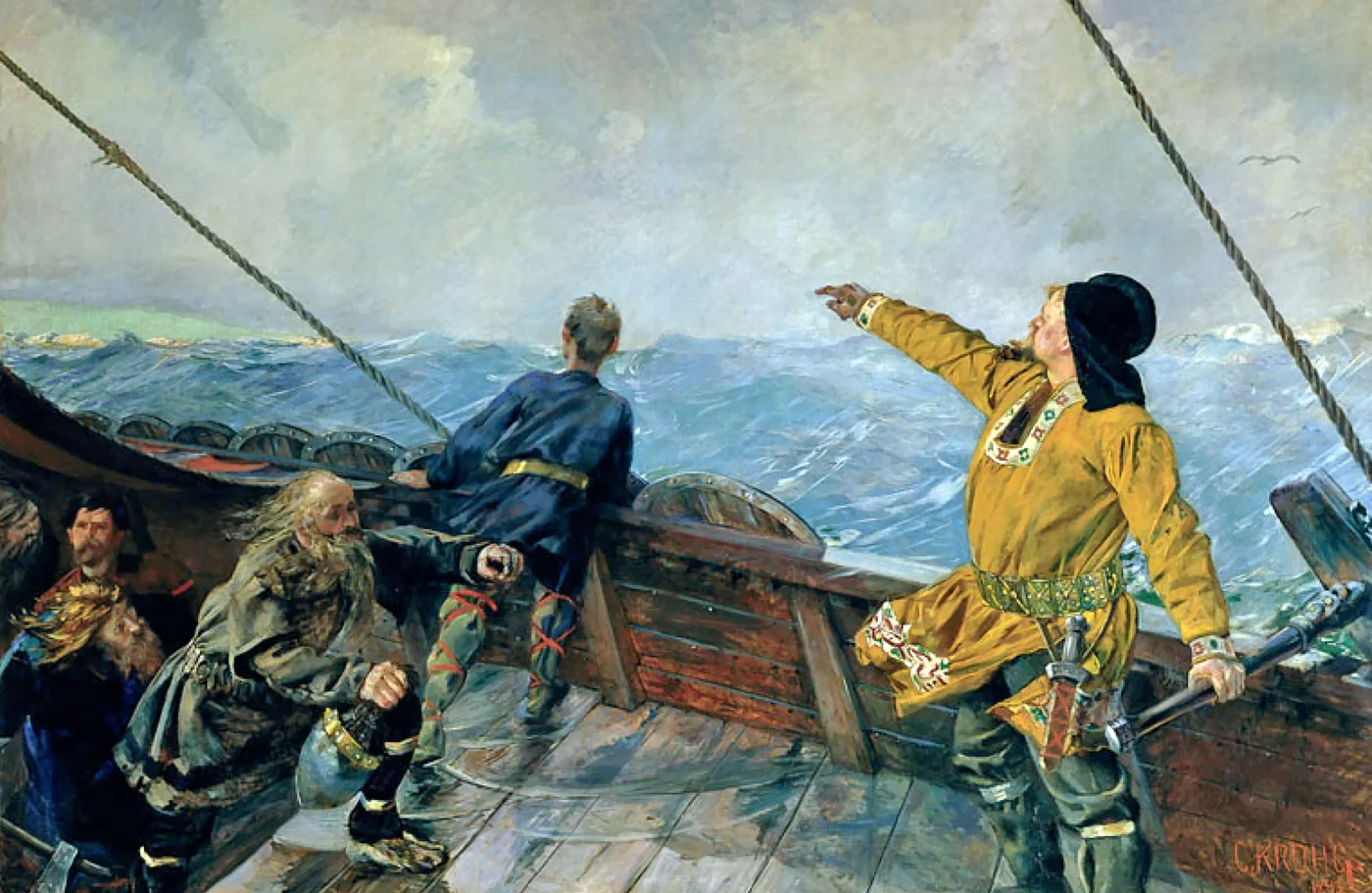
Yet nearly a millennium earlier, Norse mariners had crossed the tempestuous and unforgiving North Atlantic. In their open longships and broad-beamed knarrs, the Vikings reached the Shetland Islands, the Faroes, Iceland, Greenland, and all the way to Vinland (modern-day Newfoundland in Canada). How did the Vikings execute these formidable oceanic voyages and endure dark, subarctic winters without succumbing to the ravages of scurvy?
The answer lay in an ancient, deeply rooted mastery of their natural environment: forest blueberries (bilberries), marshland cloudberries, coastal seaweeds, and an ingenious preservation technique utilizing fermented sour whey.
What Exactly Is Scurvy?
Scurvy is a severe, life-threatening nutritional disorder caused by an acute deficiency of vitamin C (ascorbic acid).
Humans share a rare genetic quirk with only a handful of other mammals — such as guinea pigs, certain bats, and higher primates: We lack the functional gene for the enzyme L-gulonolactone oxidase, rendering us entirely incapable of synthesizing vitamin C within our own bodies. Every milligram of vitamin C required to keep us alive must be acquired continuously through our diet.
The human body relies on vitamin C as an indispensable cofactor for synthesizing collagen — the biological scaffolding and “glue” that binds together our cells, blood vessels, skin, ligaments, skeletal matrix, and dental gums.
Deprived of vitamin C, the body’s collagen architecture begins to break down after roughly four to six weeks:
- Initial Phase: Overwhelming exhaustion, muscle ache, low fever, severe irritability, and painful joint inflammation.
- Vascular Breakdown: Capillaries lose structural elasticity and rupture spontaneously. Dark purplish-blue patches (petechiae and deep hematomas) spread across the limbs.
- Oral Decay: Gums swell into blackened, spongy masses that hemorrhage freely at the slightest contact. Teeth loosen from the alveolar bone and fall out. The breath becomes foul and gangrenous.
- Tissue Dissolution: Old scars from wounds healed decades earlier spontaneously dissolve and break open; previously healed bone fractures pull apart.
- Fatal Climax: The patient eventually collapses from massive internal hemorrhaging, pleural effusion, or acute cardiac failure.
It was not until 1747 that Scottish naval surgeon James Lind carried out his celebrated controlled clinical trial aboard HMS Salisbury, proving that citrus fruit cured the disease. And it took until 1928–1932, when Hungarian biochemist Albert Szent-Györgyi isolated ascorbic acid (a breakthrough rewarded with the Nobel Prize), for science to fully grasp its biochemical mechanism.
The Norse “Skyrbjúgr”: Scurvy in the Sagas
The Vikings, of course, had no concept of vitamins or cellular biochemistry. Yet they were intimately acquainted with the affliction and its terrifying manifestations. Indeed, the very English word scurvy (like German Skorbut, French scorbut, and Dutch scheurbuik) traces its linguistic origins back to the Old Norse term skyrbjúgr.
In Thorstein the White’s Saga, we find a poignant account of the disease:
“It is a great pity that such a fine man should be so stricken with skyrbjúgr, for it seems he will never be the man he once was.”
The origin of the name skyrbjúgr has prompted fascinating scholarly debate. Renowned nutrition scientist Professor Kaare R. Norum and Luigi M. De Luca highlighted in a landmark 2011 study that the Norse linked the ailment to skyr (their staple cultured sour curd) and bjúgr (swelling or edema) — reflecting a folk belief that an unvaried winter diet of sour curd produced dropsical swellings in the body. Other etymologists suggest the prefix originates from skur, denoting skin lesions, ulcers, or scorbutic eruptions.
What mattered most, however, was not their theoretical understanding, but the empirical reality: through generations of trial, observation, and necessity, Norse society mastered natural remedies to prevent and cure the disease.
The Forest Pharmacy: Bilberries and Wild Berries
During the brief, luminous Nordic summer and autumn, the boreal forests and open fells of Norway produce a lavish abundance of wild berries. Gathering these fruits was a vital seasonal endeavor for every household:
1. Wild Bilberries (Vaccinium myrtillus)
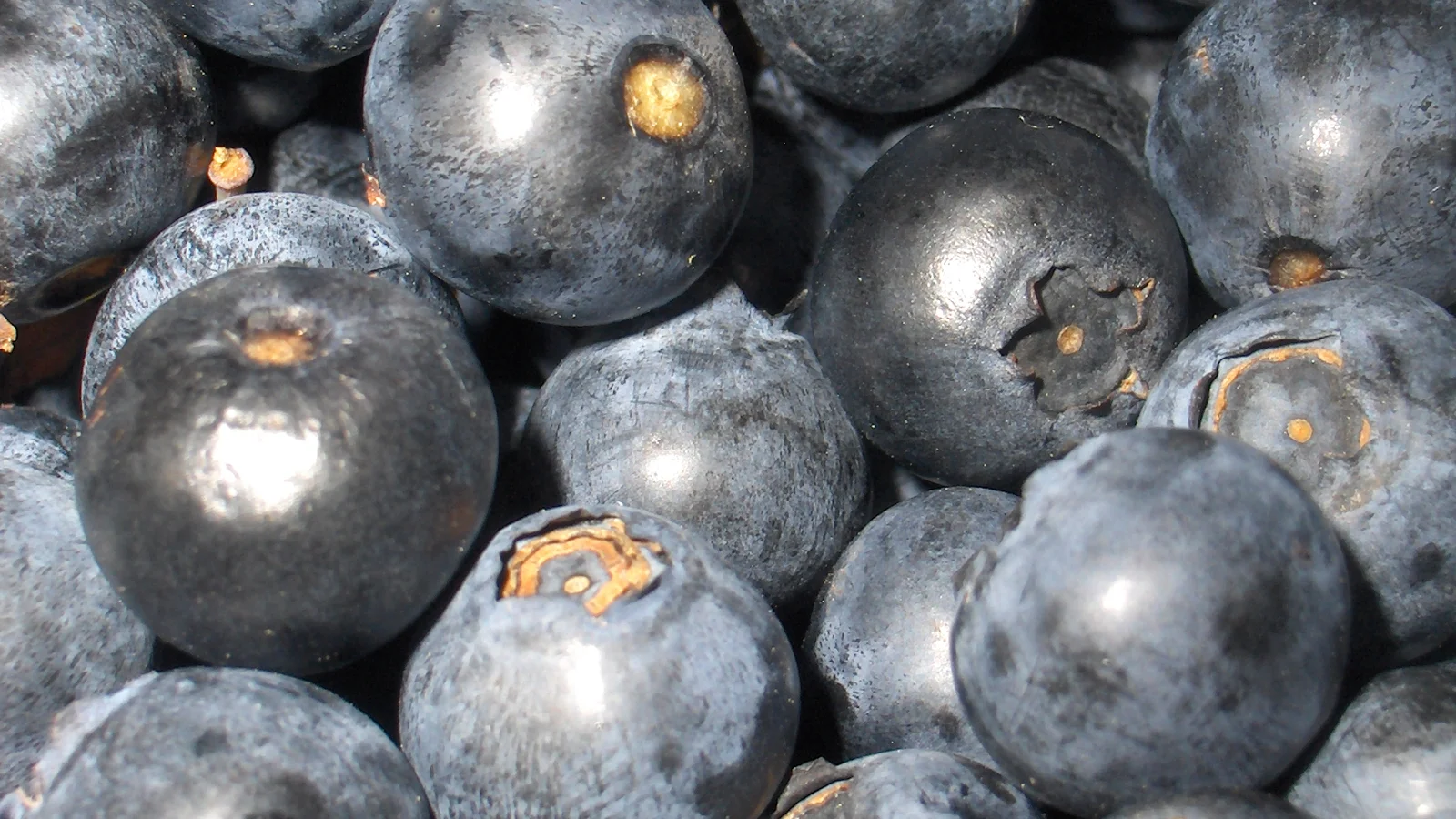
Native European bilberries (Norwegian blåbær) carpet the floor of pine and birch forests across Scandinavia. Unlike cultivated North American blueberries (which have pale green flesh), wild bilberries are deep indigo-violet through and through, crammed with vitamin C, iron, and potent anthocyanin antioxidants.
The Vikings dried bilberries on flat stones under the sun or over gentle smoke in the longhouse. Dried bilberries were lightweight, resisted mold, and retained a substantial portion of their vital nutrients. A daily handful of dried bilberries aboard a sea-going knarr provided voyagers with formidable defense against scurvy and seasonal infections.
2. Cloudberries (Rubus chamaemorus) – “Arctic Gold”
Cloudberries (multer) grow wild in the peat bogs and subalpine wetlands of inland and northern Norway. This amber-gold jewel is a nutritional powerhouse, containing up to three to four times more vitamin C than oranges!
Cloudberries also contain abundant natural organic acids, enabling them to resist decay for extraordinary periods. In 1593, physician Henrik Høyer of Bergen published an official medical account noting that cloudberries were Scandinavia’s sovereign cure for scurvy — recording an empirical knowledge that undoubtedly stretched back into the Viking Age. Moreover, the 10th-century Persian chronicler Ibn Rustah noted that Rus-Viking traders traversing the Volga carried plentiful barrels of preserved berries on their river fleets.
3. Lingonberries (Vaccinium vitis-idaea)
Lingonberries (tyttebær) are naturally loaded with benzoic acid, an exceptionally potent natural preservative. Crushed lingonberries could be packed into wooden tubs with cold spring water or whey, remaining fresh, tart, and unspoiled throughout the entire winter without added salt or heat.
Coastal Lifelines: Seaweed, Scurvy Grass, and Angelica
When Norse crews sailed away from sheltered fjords into the open ocean, they harvested the bounties of the tidal littoral:
- Dulse / Søl (Palmaria palmata): This tender red seaweed has been gathered along the Atlantic shores of Norway, Iceland, and the British Isles since prehistoric times. Egil’s Saga and the ancient Gulathing Law explicitly codify the legal right to forage for dulse along coastal foreshores. Dried dulse was chewed like jerky during long voyages; it provided concentrated vitamin C, iodine, potassium, iron, and trace minerals.
- Scurvy Grass (Cochlearia officinalis): This small, fleshy coastal plant thrives in maritime shingles and bird-colonized cliffs. Possessing a pungent, mustard-like taste, it is extraordinarily rich in ascorbic acid. The Saga of Grettir the Strong describes how Norse voyagers specifically sought out and landed on known “scurvy-grass islands” to harvest and consume the fresh greens.
- Angelica / Kvann (Angelica archangelica): Angelica was the sacred herb of the Norse world. It was so prized that farmers established walled gardens (kvanngarder). The medieval Gulathing and Frostathing laws stipulated severe fines for anyone who broke into a neighbor’s angelica patch to steal stems. Stalks were consumed fresh, dried, or preserved in whey.
Whey Fermentation: The Norse Food Chemistry
How did the Vikings preserve volatile vitamin C over weeks or months at sea without modern canning or refrigeration?
The keystone of Norse food storage was sour whey (Old Norse súrr or mysesurt). After curd was separated for butter and skyr production, the remaining liquid whey was allowed to undergo natural lactic acid fermentation until highly acidic and stable.
When berries, wild greens, angelica stalks, or dulse were submerged in oak casks and sealed with sour whey, the lactic acid bacteria created a sour, anaerobic, and protective environment. The low pH inhibited putrefactive bacteria and prevented oxygen from destroying the fragile ascorbic acid molecules.
Thanks to this ancient biotechnology, Norse voyagers maintained an active, shelf-stable supply of vitamin C in the holds of their vessels throughout months of ocean voyaging.
Island-Hopping Versus the Open Ocean
There was also a profound navigational and dietary difference between Norse voyages and later Renaissance explorations:
Whereas Spanish and Portuguese caravel crews spent consecutive months crossing thousands of miles of unbroken tropical ocean on rations of rock-hard ship’s biscuit (hardtack) and brined salt beef devoid of vitamins, the Vikings practiced island-hopping.
When Leif Erikson and his contemporaries sailed west toward America around the year 1000, they followed an archipelago route: stepping from western Norway to Shetland, the Faroes, Iceland, Greenland’s coastal settlements, Baffin Island, Labrador, and Newfoundland.
At each landfall, they replenished fresh water, hunted seals and nesting seabirds, collected wild eggs, and foraged local coastal flora. Furthermore, as modern nutritional science has confirmed through Arctic cultures such as the Inuit, fresh, lightly cooked marine mammal meat and organ livers contain significant levels of vitamin C — providing an additional, vital shield against deficiency.
The Triumph of Traditional Wisdom
When early modern physicians began unraveling the mystery of scurvy, they looked to the ancient customs preserved in northern coastal communities.
The Vikings’ legendary ability to conquer storm-lashed seas and establish transatlantic outposts was not merely the product of superb shipbuilding and martial daring. It was equally the triumph of their deep ecological wisdom: an unbroken bond uniting forest bilberries, wetland cloudberries, maritime seaweeds, and the time-honored craft of living in harmony with nature’s gifts.
Questions about Wild Berries and Seaweed: How the Vikings Conquered Scurvy?
Tell us what you are looking for or when you wish to arrive. We are happy to advise and assist.
Write to Ophuz