







Geology, Climate & Forest Floor
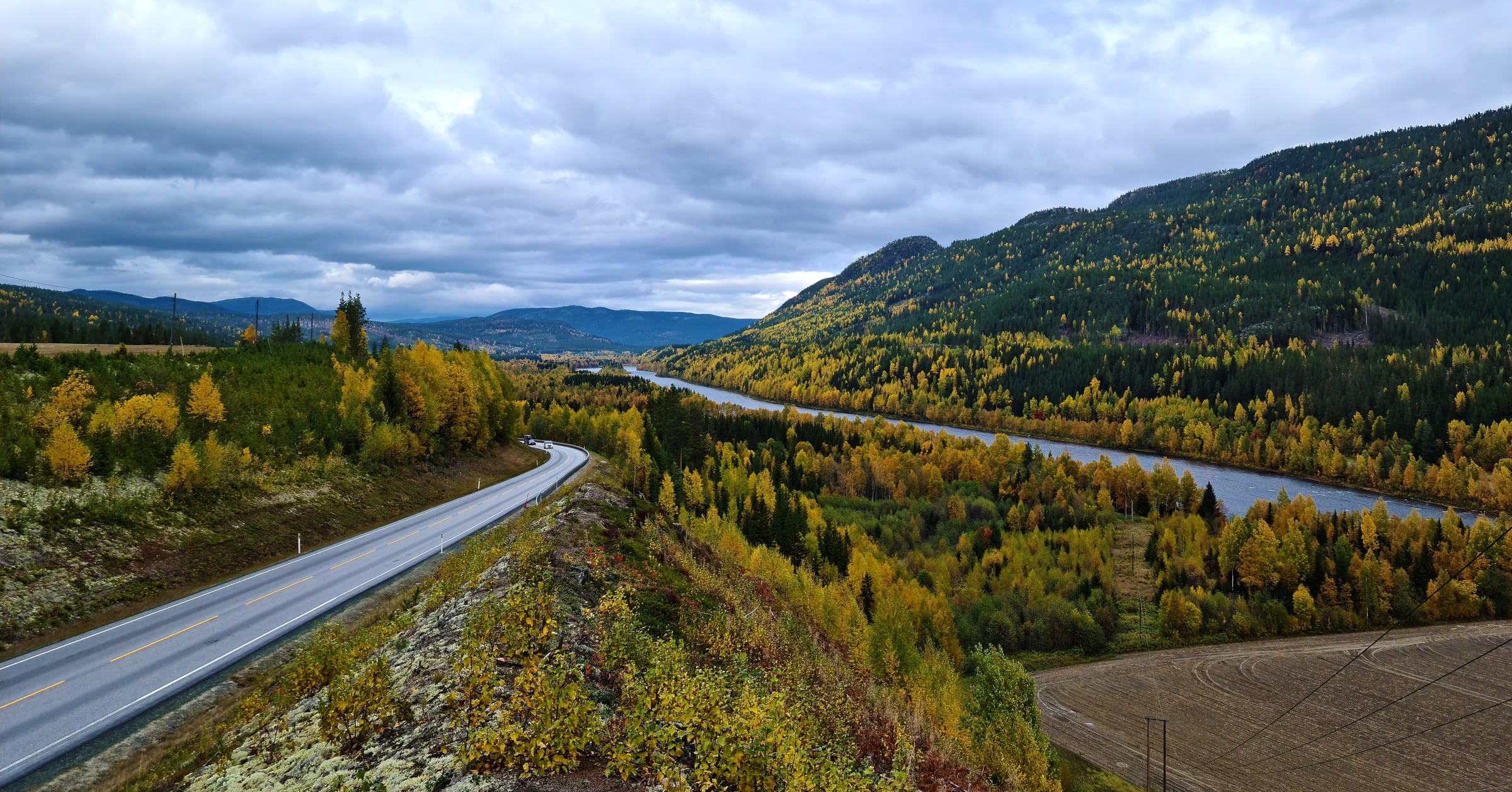
Østerdalen landscape
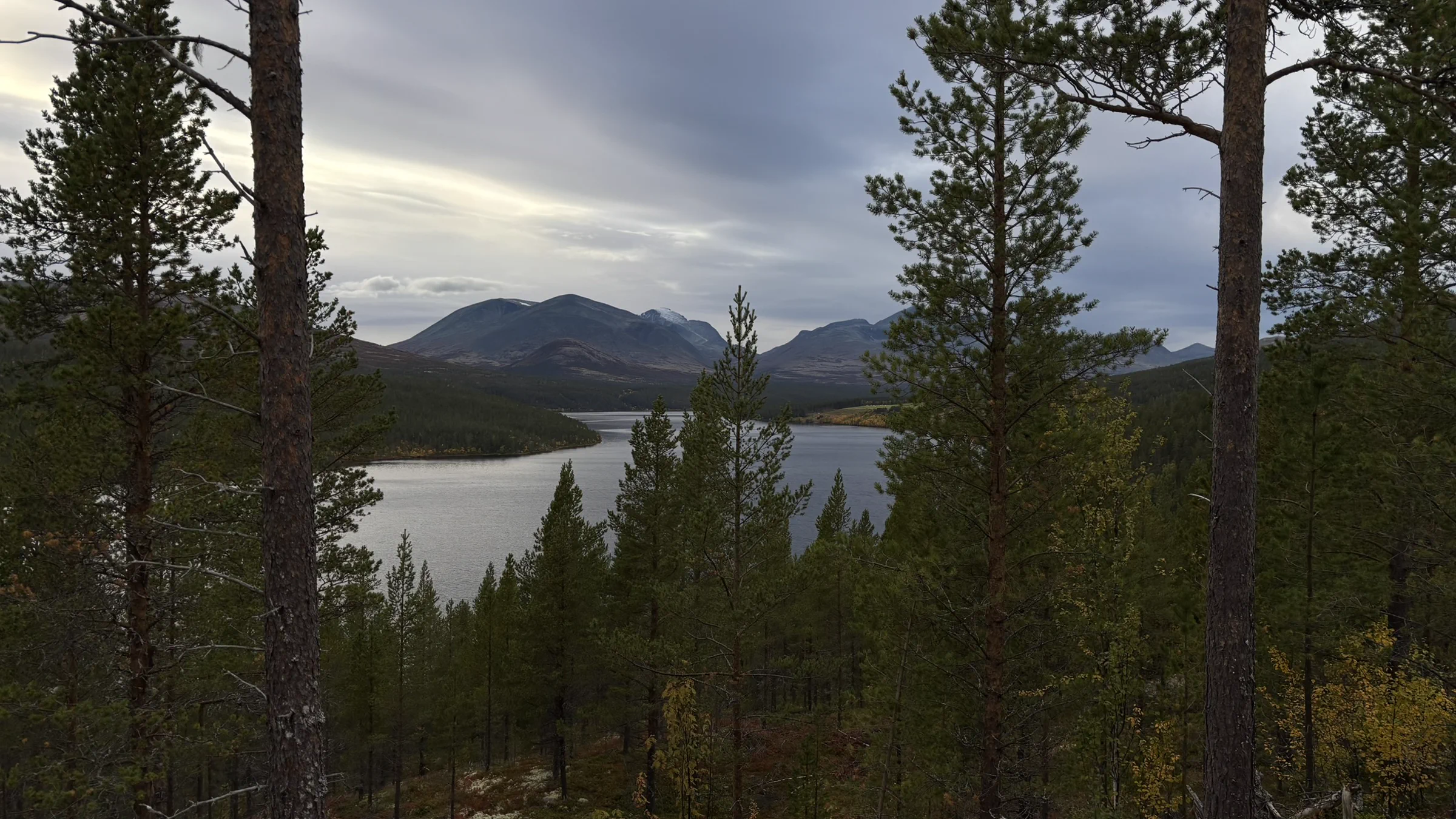
A German author once observed that “he who knows not Østerdalen knows not Norway,” and the words remain as truthful today as when they were first penned. Stretching across the eastern spine of Norway from the gentle hills of Elverum northward to the subalpine plateaus of Tynset and Røros, Østerdalen is defined by boundless Scots pine forests, sandy river terraces, and cold, crystalline waters.
Geographically, this valley is the heart of Innlandet—the only county in Norway without a single meter of coastline. While the other 14 Norwegian counties front the North Sea and the Atlantic, Innlandet lies entirely protected behind high mountain barriers. This landlocked position creates a distinct continental climate found nowhere else in Scandinavia: extreme temperature contrasts ranging from summer highs above 30°C to winter freezes dropping below -50°C.
“The core of any character is shaped by disposition and surroundings. The soul of the inland dweller has its roots in the forest floor and arable earth. Deep beneath lies the murmur of the pines and the scent of fertile loam.”
— Innlandet: An Essay on Culture, Nature, and Transition
The bedrock tells a tale of monumental endurance. Two-fifths of the county rests upon the ancient sparagmite formation—feldspar-rich sandstones, conglomerates, and quartzitic shales that weather slowly, yielding austere, nutrient-poor soil where only the hardiest conifers take root. Rainfall is remarkably sparse: in northern Østerdalen, the municipality of Tynset registers a mere 373 mm annually, less than many semi-arid regions of southern Europe. Summer night frosts frequently descend into the valley bottoms, demanding an unyielding patience from those who till the soil.
Geographic Dimensions of Østerdalen
- Elevation spectrum: From 130 meters above sea level along the southern Glomma to alpine peaks exceeding 2,100 meters in the surrounding ranges.
- Tree line: Approximately 900 meters above sea level, where Scots pine yields to mountain birch and reindeer lichen tundra.
- Growing season: Brief and intense, lasting between 122 and 140 days in the mountain valleys.
Chronicles & Literary Legacies
Travel Stories
For centuries, travelers venturing through Østerdalen recorded an immediate sense of wonder. When the poet and essayist Aasmund Olavsson Vinje undertook his famous walking expedition in 1860, published in Ferdaminni (Travel Memories), he placed Østerdalen above all other Norwegian valleys:
“Østerdalen surely stands highest among all Norwegian valleys in enlightenment and fine manners; there is such living culture in everything the people of Østerdalen do, and the national character is so fittingly bound with modern learning and ways of life, that in tongue and custom alike, they seem grown together.”
— Aasmund Olavsson Vinje, Ferdaminni (1860)
This impression was echoed by distinguished foreign voyagers. Commander-Captain Hans Sneedorff, writing in 1790 to the scholar Peter Suhm, confessed: “The most pleasant evening I have spent in Norway was in the home of a farmer in Østerdalen, Ole Evenstad—and he had never attended any university.” In 1803, Councillor of Chancery Christian Pram noted with astonishment that the spacious timber farmsteads of Østerdalen possessed an elegance and civilized dignity that far surpassed anything expected of a peasant dwelling. Foreign chroniclers frequently referred to the people of the valley as “the Frenchmen of Norway”—individuals of ardent inner passion balanced with polished, worldly courtesy.
In 1827, English traveler David Inglis recounted his journey past Lake Storsjøen and Stor Soen farm, which he described as “uniting the warmth of a country manor with the strength of a medieval fortress.” German explorer August Moritz, traveling in 1851, marveled at the valley's culinary generosity at Westgaard, where guests were served smoked elk venison, mountain trout, and bear sausage.
Østerdalen's most beloved native novelist, Jacob B. Bull, captured the valley's essential character in his celebrated Rendalen chronicles:
“The man of Østerdalen resembles the valley where he was born: concealed as the vast pine forests, untamed as the rushing rivers, grand and self-reliant as the broad mountains, and therefore somewhat deliberate in his stride. But if he takes ten days to harness the horse, he will drive for fourteen before he stops again.”
— Jacob B. Bull, Rendalen Chronicles
Nobel laureate Bjørnstjerne Bjørnson held the valley in such reverence that in 1891 he gifted his personal library to Storelvedalen (Stor-Elvdal), declaring in the deed of gift that nowhere in Norway had he met greater warmth, honor, and hunger for spiritual liberation.
Protected Wilderness Sanctuaries
National Parks
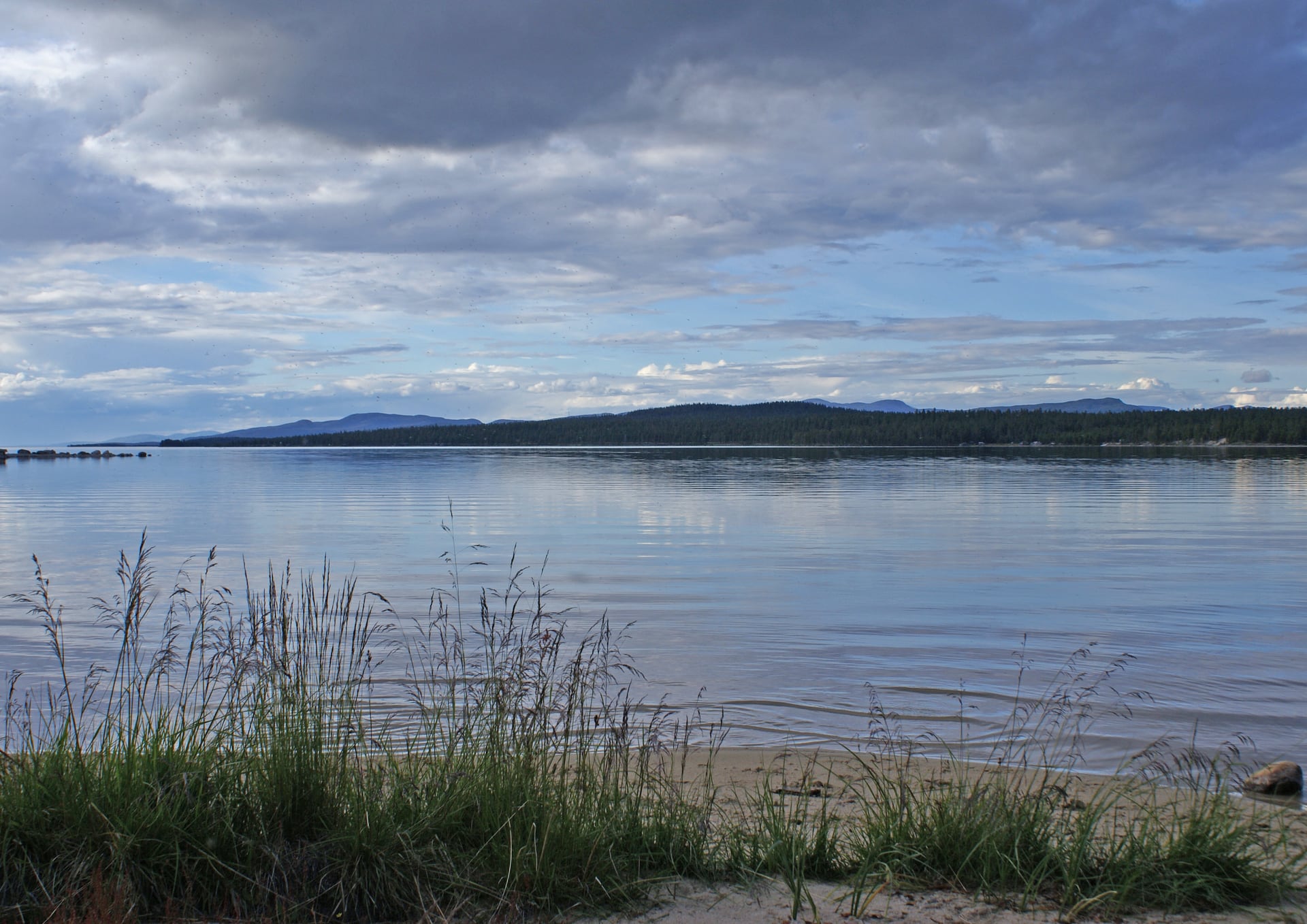
Bordering the upper reaches of Østerdalen lie some of the wildest and most pristine national parks in Northern Europe: Femundsmarka, Gutulia, and Rondane. These sanctuaries preserve the last unbroken tracts of ancient Scandinavian taiga and glacial mountain tundra.
Gutulia National Park, established in 1968, is one of Norway’s most intimate and enchanting protected areas. Covering just 23 square kilometers, it shelters a cathedral of virgin boreal forest. Here stand towering Scots pines and spruces that have lived undisturbed for three to four centuries, alongside silver-weathered dead standing trees (sølvfuru or kelo wood) that have stood dead for another two hundred years. In the heart of the park lies Gutuliseter, a historic summer mountain dairy operating since the 1750s, where traditional timber cabins rest peacefully beneath ancient boughs.
To the northeast stretches Femundsmarka National Park, a vast, roadless expanse of stone, water, and stunted pine. Carved by the retreat of the inland ice sheet, Femundsmarka is famous for its intricate maze of interconnected lakes, drumlins, and boulder fields (rogningsland). It is a haven for solitary canoeists, anglers pursuing wild brown trout, and wanderers seeking true silence away from modern civilization.
The Primeval Forest Ethos
In these national parks, nature operates on its own clockwork. Trees germinate, mature over 250 years, die of old age, weather to silver stone-like hardness, and slowly decompose over centuries, providing sanctuary for thousands of specialized lichens, mosses, and cavity-nesting birds.
Sentinels of Stone
Mountain Ranges
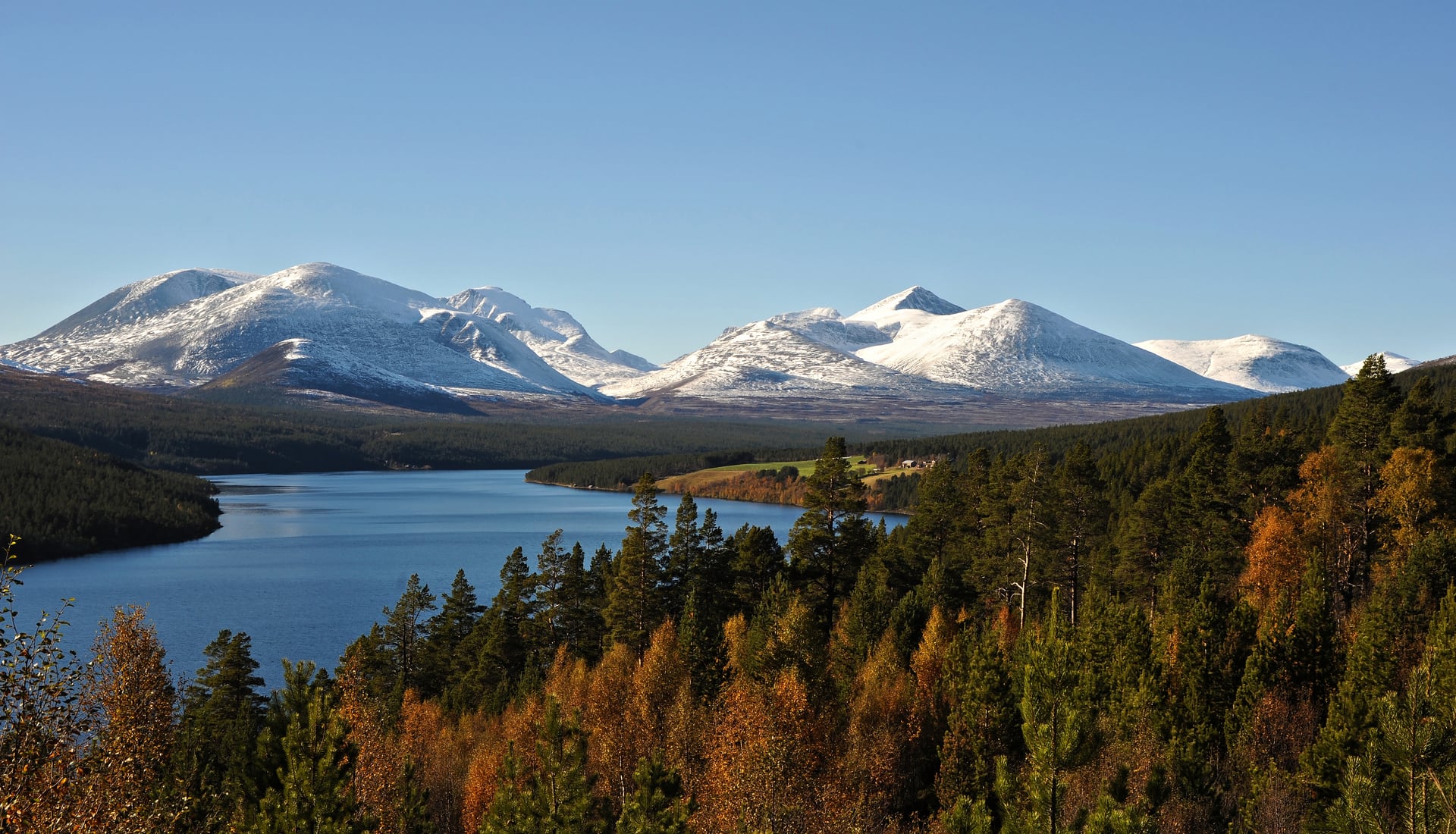
While Østerdalen itself is a broad forest valley, it is framed and guarded on all sides by Norway’s most storied mountain ranges: Rondane to the west, Dovrefjell to the northwest, and the majestic solitary massifs of Mount Tron and Rendalssølen.
Established in 1962 as Norway’s very first national park, Rondane is an alpine realm of ten summits exceeding 2,000 meters, dominated by the majestic Rondaneslottet (2,178 m). Unlike the sharp, glaciated fjords of western Norway, Rondane features broad, dry valleys, vast blockfields of blue-gray quartzite, and extensive lichen carpets that provide critical winter grazing for Europe's last remaining wild herds of original Ice Age tundra reindeer.
“Like an armor-clad giant, Mount Tron rises proudly toward the heavens. Though it lacks the sheer vertical cliffs of Hornelen or the picturesque spires of Trolltindene, its balanced forms leave nearly the same lasting impression... the sight of these mountains alone must warrant the journey.”
— Skilling-Magazin (1863)
Standing isolated above Alvdal is Mount Tron (1,666 m), an iconic landmark visible from nearly every high ridge in Østerdalen. In Rendalen rises the unmistakable silhouette of Rendalssølen (1,755 m), a dramatic triple-peaked massif carved with steep glacial amphitheatres that stands like an island of stone in a sea of green pine. To the north, the alpine massif of Dovrefjell connects Innlandet with Trøndelag, forming the historical dividing line where the musk ox roams and pilgrims once crossed toward Nidaros Cathedral.
The Mighty Arterial Current
River
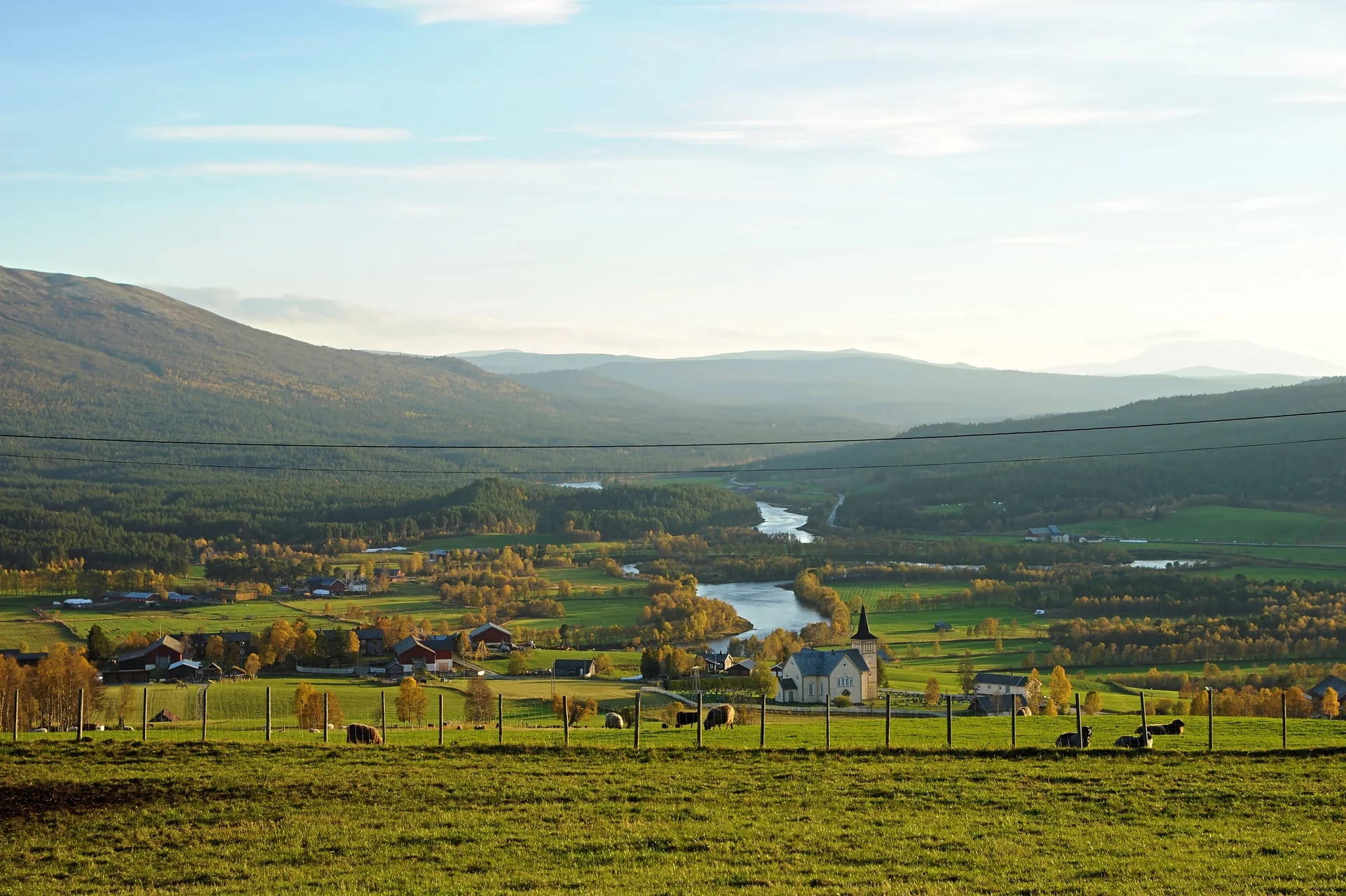
The Glomma (Glåma) is Norway’s longest and most voluminous river, cascading over 600 kilometers from its headwaters at Aursunden near Røros all the way south to the Fredrikstad estuary. For thousands of years, the river has carved the topography, dictated human settlement patterns, and served as the lifeblood of Østerdalen.
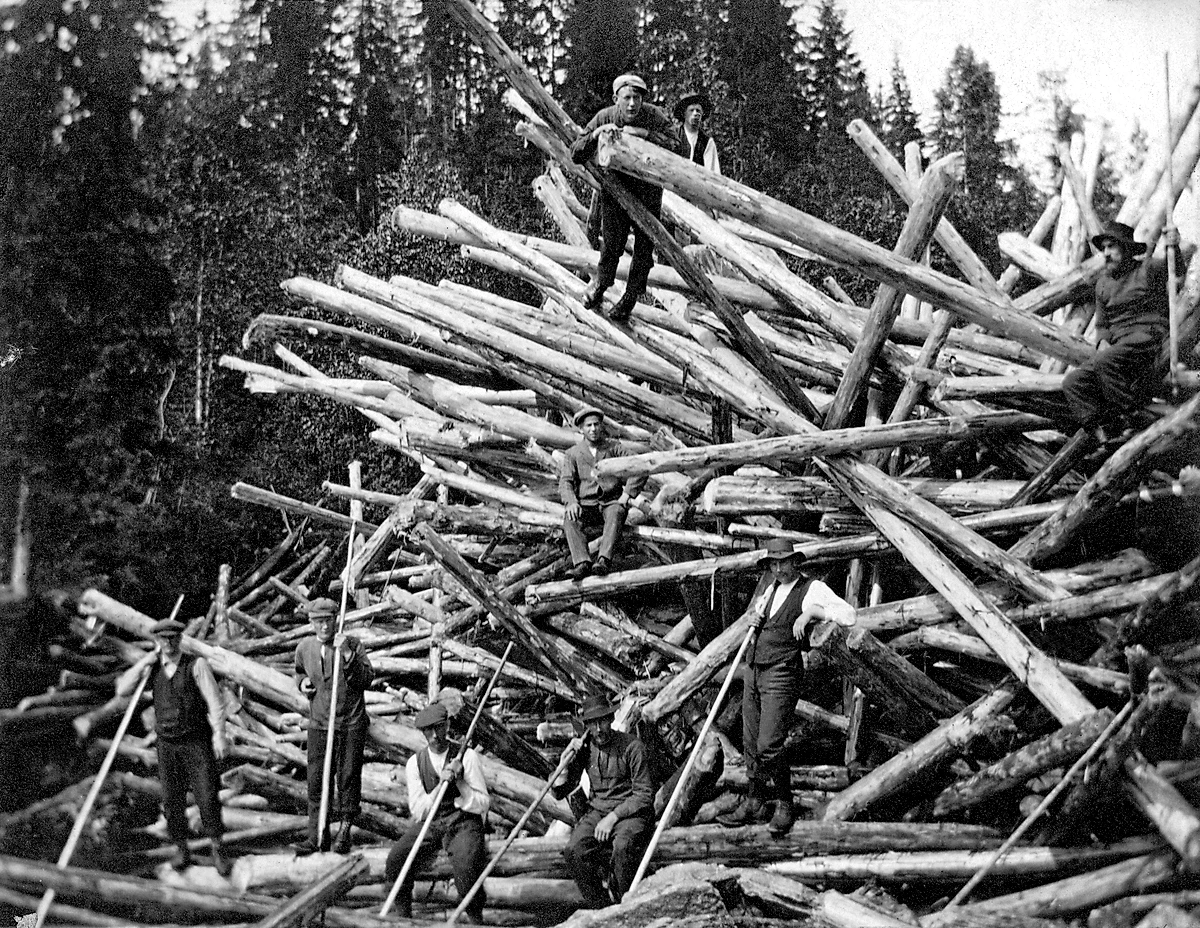
Before roads and railways conquered the valley, the Glomma was the indispensable commercial highway. For centuries, the river was the stage for tømmerfløting (timber floating)—one of the most demanding and perilous occupations in Scandinavian history. Every spring, as the mountain snowmelt swelled the river into a roaring torrent (vårflom), millions of felled pine and spruce logs were rolled from riverbank staging grounds into the rushing waters.
“The river is like life itself: it carves new beds when the old can no longer hold the flood. Experience has shown that its fertilizing force is immense, even if seasons must pass before flowering meadows carpet the newly opened shores.”
— Per-Øivind Sandberg, Economic Chronicles of Hedmark
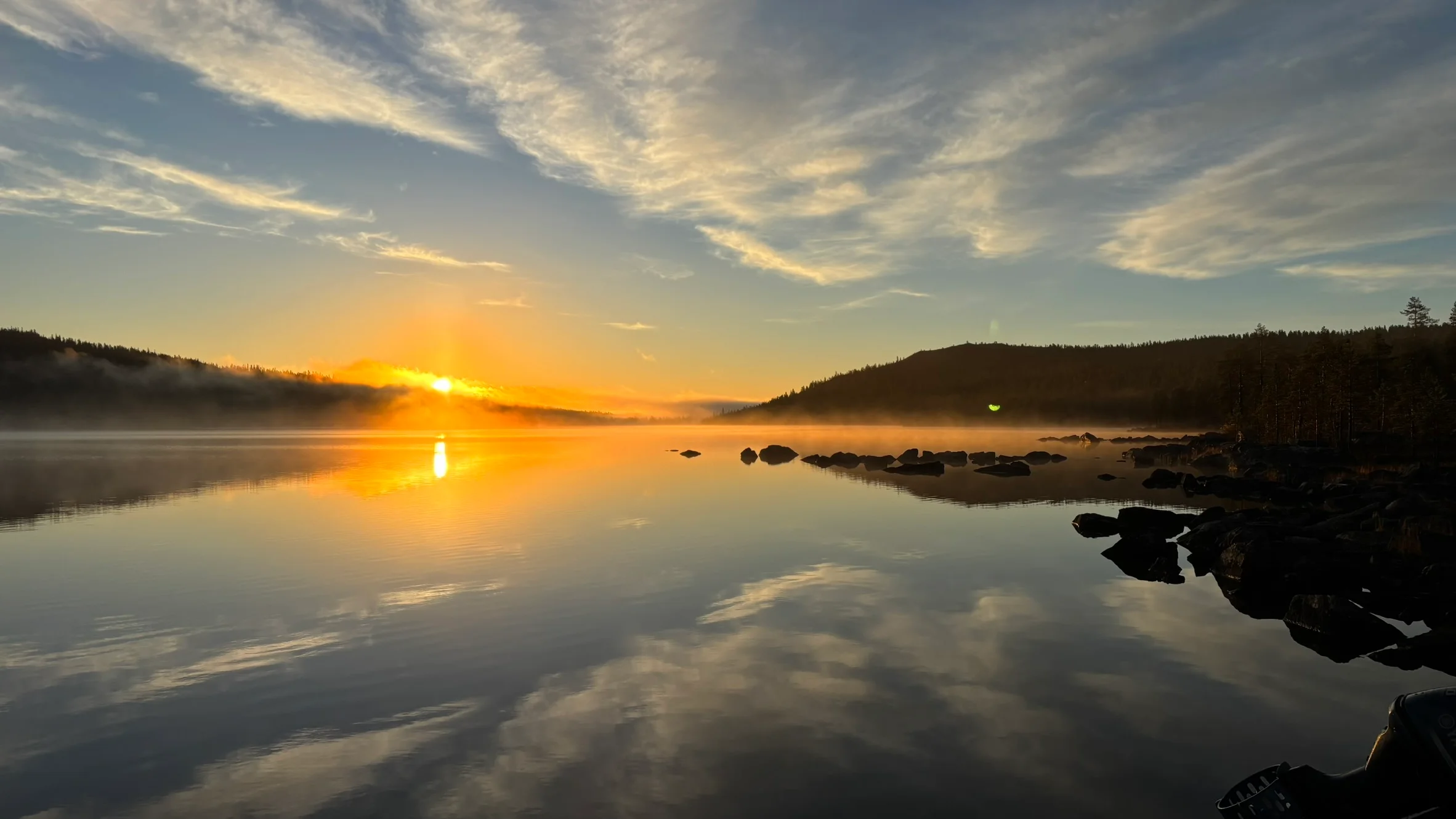
Daring log drivers (fløtere) armed with pikepoles (fløterhaker) balanced across slippery, spinning logs in boiling white-water rapids to dismantle catastrophic logjams (tømmerfloker). The seasonal rhythm of the Glomma governed every household: roaring spring floods, serene autumn reflections where pine ridges mirror flawlessly in the water, and thick winter ice that served as winter sledding routes for horse-drawn caravans.
Fauna of the Boreal Wilderness
Wildlife
Due to its sparse human population and vast contiguous forests, Østerdalen and the surrounding Innlandet interior harbor the highest concentration of large carnivores and wild fauna in all of Norway. It is here that Norway’s apex predators make their stronghold: the brown bear (bjørn), the gray wolf (ulv), the Eurasian lynx (gaupe), and the elusive mountain wolverine (jerv).
The undisputed king of the forest floor is the European moose (elg). Numbering in the tens of thousands across the boreal birch and willow flats, the moose has provided subsistence, warm hides, and winter delicacies to local households for millennia. In the high alpine tundra of Rondane, Dovre, and Knutshø roam wild reindeer (villrein), direct genetic descendants of the ancient European tundra herds that followed the retreating glaciers northward ten thousand years ago.
Predators of Land and Water
In the cold, oxygen-rich currents of the Glomma and mountain tributaries like the Atna, aquatic life flourishes in legendary abundance:
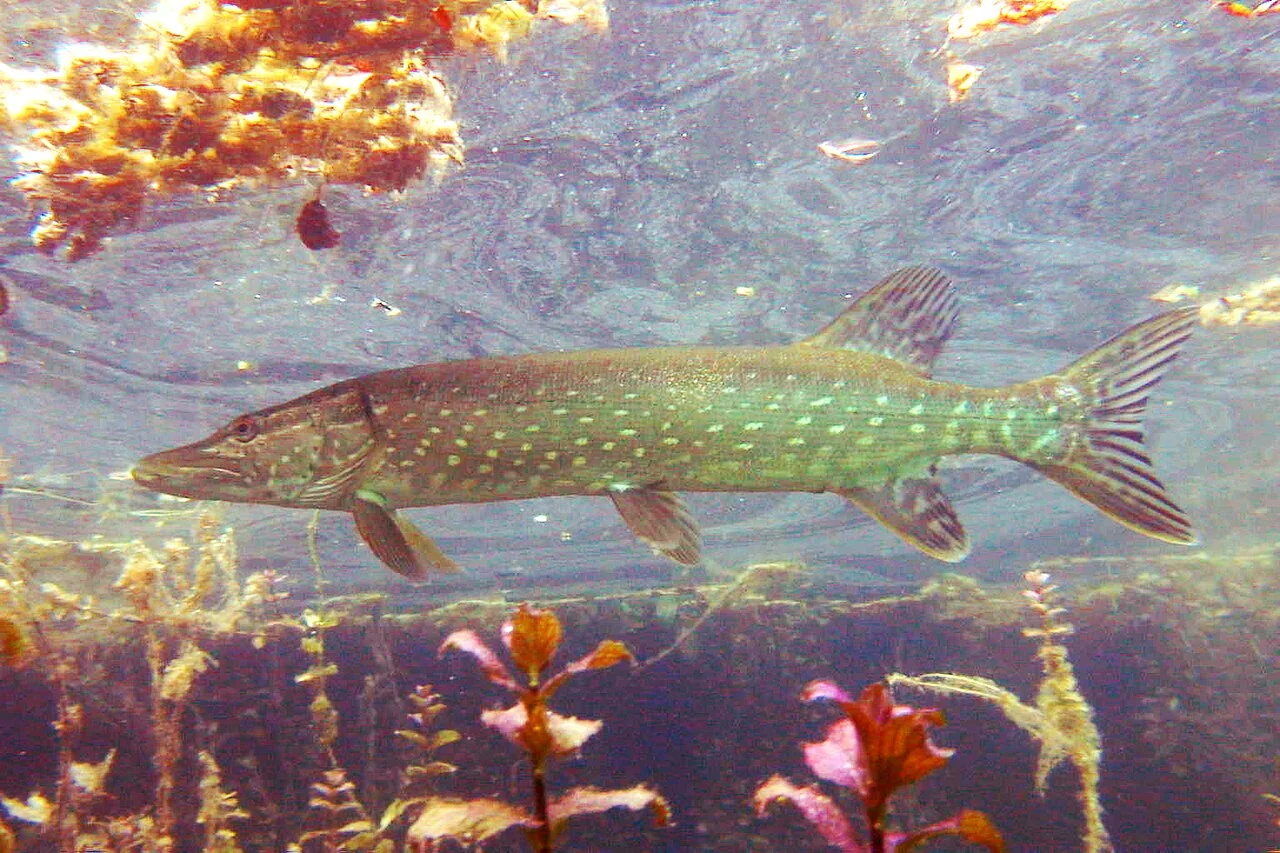
- Northern Pike (Gjedde): Known colloquially as “Nordens krokodille” (the crocodile of the North), reaching lengths well over a meter in slow river bends and backwaters.
- Grayling (Harr) & Brown Trout (Ørret): World-renowned fly-fishing quarries thriving in the gravel shallows and rapids of Stor-Elvdal.
- Beaver & Otter: Engineers of the wetlands whose dams create thriving biodiversity sanctuaries throughout the tributary creeks.
Timber Barons, Cooperatives & Modern Industry
Economy
The economic history of Østerdalen is a story of quiet, steadfast resilience. While coastal Norway experienced dramatic, volatile economic booms—the Viking seafaring raids, the rise and crash of merchant sailing ships, the frantic silver herring fisheries, and modern North Sea petroleum—the inland valley remained in the “oil shadow,” steadily cultivating enduring foundations from timber, dairy, and human skill.
From the 1840s onward, Østerdalen transformed from a self-sufficient subsistence economy (sjølberging) into an efficient commercial forestry and agricultural power. Small watermills consolidated into modern steam and electrical sawmills whose timber quality commanded respect across Europe. While legendary “timber barons” amassed fortunes, the true economic strength of the valley grew out of early cooperative movements.
“Generations long, weather and wind decided whether it would be abundance or a year of hardship. Thus industrious sobriety became intertwined with a relativerende double-view (tvisyn). ‘Det blir ællti’s ei rå’ (There is always a way).”
— Innlandet: An Essay on Culture, Nature, and Transition
Long before commercial banks opened branches in the valleys, local communities established grain repositories (bygdemagasiner). In prosperous harvest seasons, farmers pooled surplus grain to be stored securely. In lean years of frost or crop failure, grain was lent out as seed with modest interest. The true capital was the grain itself. When coin replaced grain in the mid-19th century, the first rural savings banks (sparebanker) were founded on principles of mutual trust, industry, and thrift.
Today, contrary to the assumptions of urban consultants, Østerdalen and Innlandet maintain an industrial employment percentage matching the national average. Modern advanced composite and plastics manufacturing, precision wood engineering, and sustainable forestry technology flourish right in the midst of remote pine forests, alongside high-quality culinary production and secluded creative retreats.
Deep Time, Mining Corridors & Iron Rails
History
The human story of Østerdalen is inseparable from the drama of deep geological time. Approximately 10,400 years ago, at the close of the last glacial epoch, the massive ice-dammed lake known as Nedre Glomsjø ruptured in a cataclysmic flood. In a matter of days, hundreds of cubic kilometers of water tore through the mountainside, carving Jutulhogget—Northern Europe’s longest and deepest canyon (2.4 kilometers long and up to 240 meters deep)—in a terrifying burst of planetary force.
During the Viking Age and the Middle Ages, Østerdalen served as a crucial overland route between southern Norway and the sacred shrine of Saint Olav at Nidaros (Trondheim). Pilgrims and merchants traversed the Østerdalsleden trail, braving wild beasts and winter blizzards. In the 17th century, the discovery of copper ore in northern Østerdalen sparked the mining era at Kvikne (1630s) and later Folldal, introducing wage labor, German mining engineers, and early industrial metallurgy to the mountain hamlets.
Milestones of Valley History
- c. 8400 BC: Rupture of Nedre Glomsjø and formation of Jutulhogget canyon.
- 1630s–1993: Over three centuries of copper and pyrite mining across Kvikne, Folldal, and Røros margins.
- 1877: Official opening of the Røros Line (Rørosbanen), Norway's first trunk railway connecting Oslo and Trondheim through Østerdalen.
- 1891: Bjørnstjerne Bjørnson donates his personal library to Stor-Elvdal for the enlightenment of the farming community.
A pivotal turning point arrived in October 1877 with the completion of the Røros Line (Rørosbanen), Norway's first trunk railway connecting the capital with Trondheim through the Glomma valley. The iron rails permanently ended the deep winter isolation of the valley, enabling fresh agricultural goods and timber to reach national and international markets swiftly while preserving the quiet, deliberate pace of valley life.
Through centuries of change, the people of Østerdalen have preserved their distinct culture: self-reliant, quietly philosophical, observant, and welcoming to those who respect the stillness of the land. In an accelerating world, this valley remains an sanctuary of deep time and undivided focus.